

In this guest post, Europcar WA breaks down the key differences between vehicle rental and leasing for businesses. While rental offers speed, flexibility and minimal upfront requirements, leasing provides long-term cost savings, customisation and structured fleet management. The right choice ultimately depends on your business needs, cash flow and how you plan to use your vehicles.
Europcar WA is part of the AFS Group which consists of AUS 4WD Equipment, AUS Mechanical Services, AUS Smash Repairs, AUS Vehicle Leasing & AUS Vehicle Sales, offering a suite of valuable services to a great number of clients. We are a one-stop-shop for everything automotive and we are equipped to provide ground level state-wide support.
When it comes to sourcing vehicles for your business, one of the most common questions is whether renting or leasing is the better option. The answer depends entirely onyour business needs, cash flow, and how long you need the vehicle for.
Vehicle rental is often the easiest and fastest solution, particularly for businesses needing short-term flexibility. Setting up a rental account is generally straightforward, with a simple 30-day credit application and trade references usually being the only credit check required. This makes rentals ideal for new businesses, urgent replacements, seasonal demand, or project-based work where quick access to vehicles matters most.
Another major advantage of rental is flexibility. Businesses can hire for short, medium, or long-term periods and return the vehicle at any time without break fees or penalties. There are also different insurance options available depending on your requirements, helping businesses manage risk in a way that suits their operations.
The downside, however, is cost. Rentals are typically more expensive on a monthly basis than leasing, particularly over extended periods. Rental vehicles also tend to come with standard fit-outs, including mine spec, however there is less opportunity for customisation or specialised accessories, such as canopies and toolboxes.
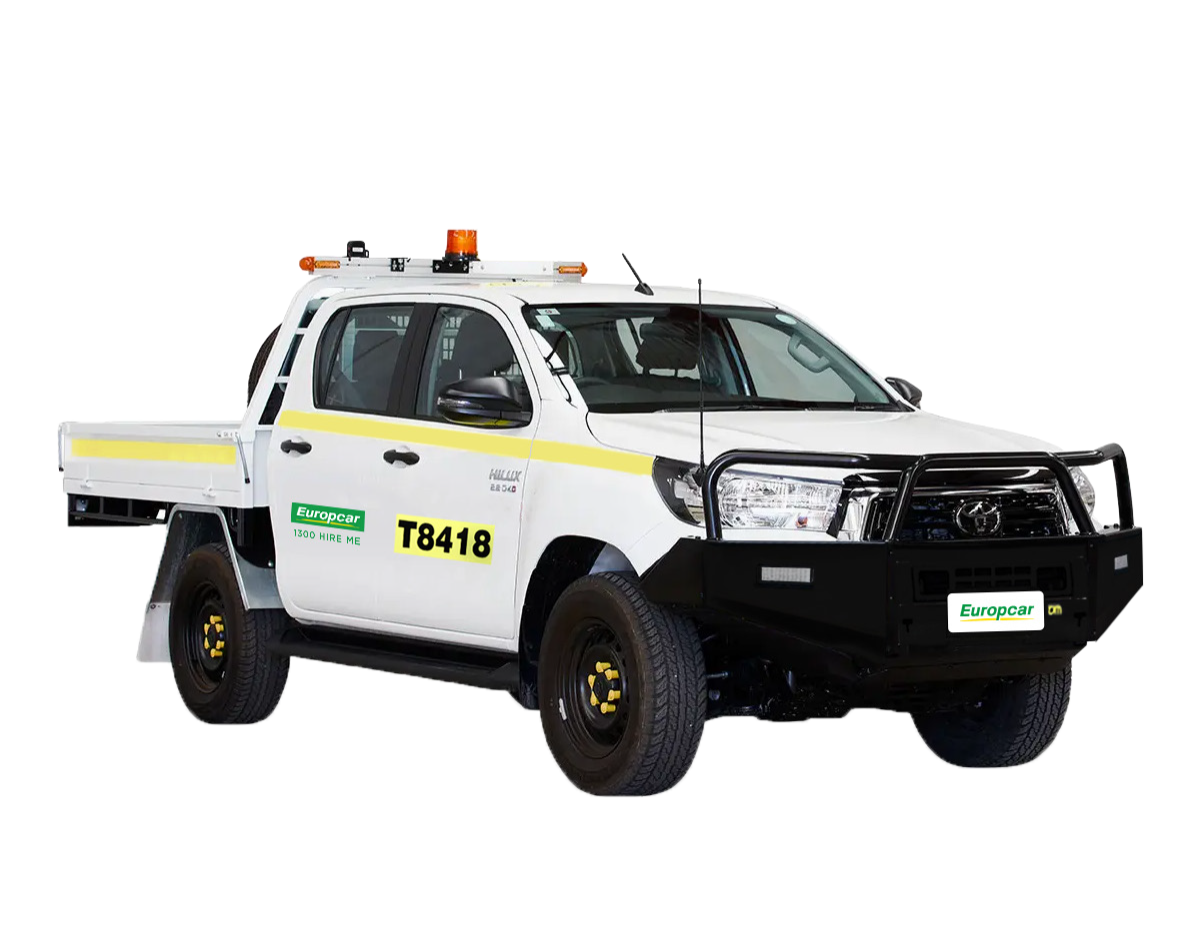
Leasing, on the other hand, is often the more cost-effective option for businesses with longer-term vehicle needs. Monthly repayments are generally lower, and businesses can choose from flexible structures such as non-maintained or fully maintained leases. Fully maintained options can bundle servicing, maintenance, tyres, and re-registration into one manageable monthly payment, making budgeting far simpler.
Leasing also allows businesses to tailor vehicles to their exact operational requirements, whether that means custom fit outs, specialised equipment such as hiab cranes, or specific vehicle models. Clients can also benefit from fleet buying power, preferred stock allocation, and streamlined internal procurement processes that help fast-track purchasing, fit-up, and delivery to your required location/s.
There are also tax advantages to operating leases. Lease payments are usually fully tax-deductible as business operating expenses, there is no residual value risk at the end of term, and the process is often simpler than managing depreciation and interest associated with ownership.
That said, leasing does require a more comprehensive credit assessment. Buyers will typically need to provide financials, commit to a minimum term of two to five years, and arrange their own insurance. If circumstances change, break lease costs may also apply.
Ultimately, renting suits businesses that value flexibility and speed, while leasing is best for those seeking long-term savings, tailored solutions, and structured asset management.
.webp)